
Relocating jeans production to France
With 2,300 shops in 40 countries and 10,000 employees, FashionCube can rely on its tens of thousands of daily customers to make its relocation project viable. How can it do this? By investing in technologies that can be amortised through high production volumes, something that a brand that is less established in the ready-to-wear landscape would not be able to envisage.
The aim of the project is to enable the brands in the ecosystem to sell jeans made in France at affordable prices of between €40 and €60. At full capacity, 2,000 jeans will be produced every day, representing a volume of around 410,000 jeans a year.
The Group’s choice of jeans is no accident! For Christian Kinnen, who is managing the FashionCube Denim Center project, there are many reasons.
Jeans are a timeless wardrobe staple, a piece that we keep for many years. It’s a product whose washing is reputed to have a negative impact on people and the planet, and we wanted to tackle this issue. Also, to sell these jeans as cheaply as possible, we need to automate production, and the technology already exists for denim.
Much more than relocation, behind the project lies the technological challenge of robotising a sector that has long favoured relocation over modernisation. “The more jeans we can produce in volume, the more jobs we will ultimately create. To do that, we need to develop our technology and our manufacturing processes”.
Our region, which already boasts a dynamic textile ecosystem, had every reason to continue its third revolution by hosting this innovative and ambitious project.
 FashionCube
Reviving the former "factory of France
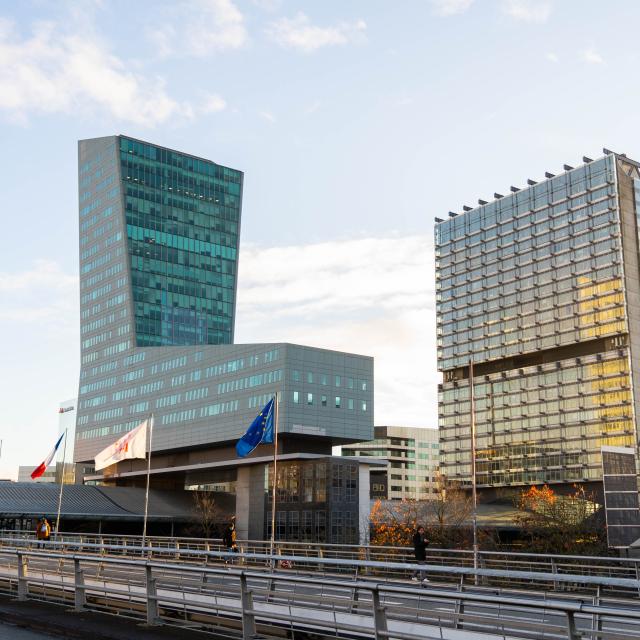
FashionCube chose Lille as its base to reconnect with French industry: the historic home of its shareholders and the head offices of almost all its brands. Having local intelligence at our disposal means we can calmly consider future improvements to the structure even before it opens.
We are convinced that the factory’s start-up organisation is not optimal and that we need to change it. We’ll be looking for innovation and intelligence to challenge the way jeans are made.
To bring the project to fruition, Christian benefited from the support of the Hello Lille teams: “The involvement of Hello Lille helped us to mature and move forward with the project, putting it on the best possible track. The Hello Lille team was extremely facilitating and helpful, and gave us a lot of advice on various aspects: financial, property and sectoral.
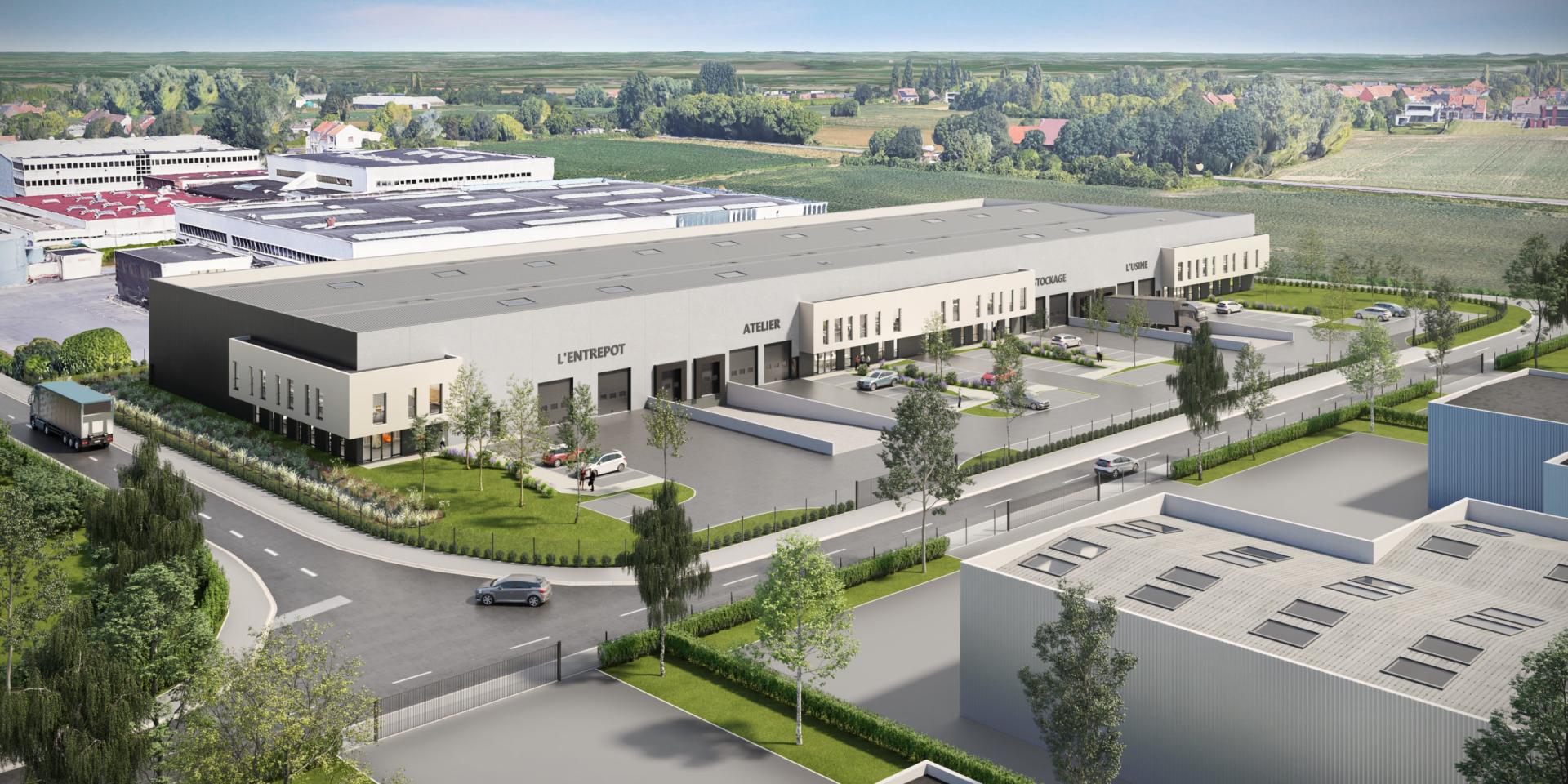
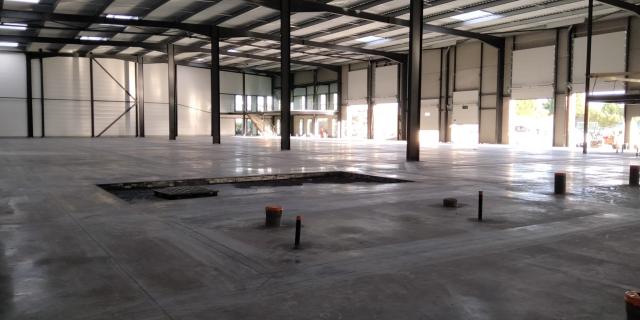
FashionCube chose Neuville-en-Ferrain as the location for its production plant, which is designed to be energy-efficient, with the ambition of achieving carbon neutrality and zero waste. Eco-responsibility will also be reflected in the way the factory is run, with everyone playing their part.
We want our employees to feel at home here and to develop in the best possible conditions. They are our main asset and we want them to enjoy coming to work.
Local, sustainable and inclusive recruitment
In addition to its positive impact on the environment, the FashionCube Denim Center is also a vehicle for social inclusion. The employees recruited come from all backgrounds and of all ages. To support this recruitment phase, the project benefited from a working group set up with the help of the MEL. This group brought together the local missions, the Tourcoing and Roubaix integration and employment centres and Proch’emploi.
The richness of the area is also reflected in the contribution of other players such as Confectio, a specialist in local and inclusive textile manufacturing based in Lesquin, and the Résilience project, which brings together textile SMEs, integration companies and adapted companies.
Today, 25 employees are starting a three-month training programme before joining the workforce in February 2022. To achieve its goal of manufacturing 410,000 pairs of jeans a year, FashionCube is counting on around a hundred talented people, all of whom will be recruited in the next few years!